9 hr
Riga to Vilnius One-Way Transfer with Heritage Stops
- Expert local guide
- Small group
- Skip-the-line access
- Free cancellation
Riga to Vilnius Sightseeing Transfer — Heritage Stops Between Capitals
Turn transit into discovery, baroque palaces and pilgrimage sites en route
Compare fares, pick the fit — all bookings are mobile-voucher and eligible for free cancellation where shown.
9 hr
7 hr
8 hr
Choosing the right access level for your riga to vilnius sightseeing transfer depends on how much of this baroque architectural monument you wish to explore. These official Rundāle Palace Museum options help travelers optimize their visit while transiting between major Baltic landmarks.
|
Top pick Main Exhibition & Garden Standard Entry |
Palace Only Exhibition Only | |
|---|---|---|
| Price | 12 EUR | Not applicable |
| Areas Included | Palace and French garden | Palace exhibition rooms only |
| Access Method | Physical ticket office | Physical ticket office |
| Best Arrival Window | 10:00–16:00 | 10:00–16:00 |
| Best for | First-timers | History enthusiasts |
| See tickets & prices |
Verdict: For the complete experience during your riga to vilnius sightseeing transfer tours, the combined entry is the recommended choice for most visitors.
Worth it for culture fans, skippable for budget travelers
A Riga to Vilnius sightseeing transfer with a Rundāle Palace stop turns a three-hour highway drive into a full-day cultural journey, but the value depends on your priorities. The 12 EUR palace entrance fee is modest, yet the real cost is time: exploring the Baroque interiors and French gardens demands at least two hours, extending your transfer by half a day. For independent travelers who'd otherwise visit Rundāle on a separate rental-car trip, bundling the detour into your transfer eliminates backtracking and fuel costs. The palace itself—a Rastrelli-designed residence with gilded halls and manicured parterre gardens—offers genuinely worthwhile sightseeing between Latvia's capital and Lithuania's. However, if you're on a tight schedule or traveling light, the added duration may outweigh the architectural payoff. Private transfer options let you control the stop length; shared shuttles lock you into fixed windows. Compare the per-person cost of the extended transfer route against a direct bus ticket plus a standalone Rundāle tour to confirm the premium justifies the convenience.
Bottom line: Book the extended riga to vilnius sightseeing transfer if you value baroque heritage over speed—skip it if you need to reach Vilnius by early afternoon.
They complement each other; most visitors who do both call the riga to vilnius sightseeing transfer tour the more enriching experience.
|
Top pick Sightseeing Transfer |
Direct Bus | |
|---|---|---|
| Travel Purpose | Sightseeing & discovery | Point-to-point transit |
| Duration | 8–12 hours | 3.5–4 hours |
| Stops Included | Yes (Rundāle, Hill of Crosses) | No (Direct) |
| Flexibility | High (Custom/Private options) | Fixed schedules |
| Price | €110–€300 per person | €15–€30 |
| Best For | Slow travel & explorers | Budget & time efficiency |
| See tickets & prices |
Verdict: Choose the riga to vilnius sightseeing transfer tours for an immersive journey through Baltic landmarks, or stick to the direct bus if you simply need a cost-effective way to get to your destination.
Hand-picked experiences loved by thousands of travelers
10 hours
Free Cancellation
Ten-hour journey connecting two Baltic capitals with guided visits to medieval fortresses and sacred sites
Full day
Free Cancellation
Personalized door-to-door journey between Latvia and Lithuania with up to 7 customizable stops
9 hours
Free Cancellation
Cross-border adventure through Latvia and Lithuania visiting three iconic landmarks with expert guidance
7.5 hours
Free Cancellation
Cross borders into Lithuania to witness thousands of sacred crosses at a legendary pilgrimage destination
11 hours
Free Cancellation
Travel between capitals while exploring castles, resistance symbols, and a museum honoring lost communities
11 hours
Free Cancellation
Travel between two Baltic capitals while exploring medieval towns, baroque palaces, and legendary sites
8 hours
Free Cancellation
Private journey from Vilnius to Riga featuring Lithuania's spiritual landmark and Latvia's baroque gem
Pick up from central Riga accommodation
Tour of palace rooms and garden
Drive across the border to Vilnius
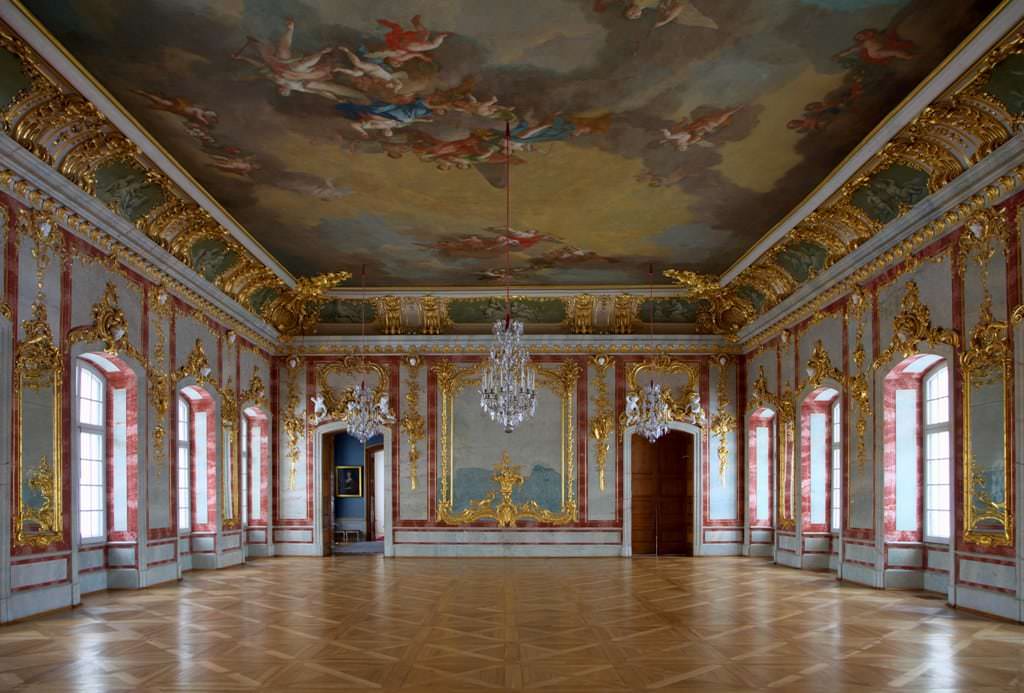
A spectacular ceremonial room featuring elaborate stucco decorations and ceiling paintings by Italian masters.
Golden Hall interior
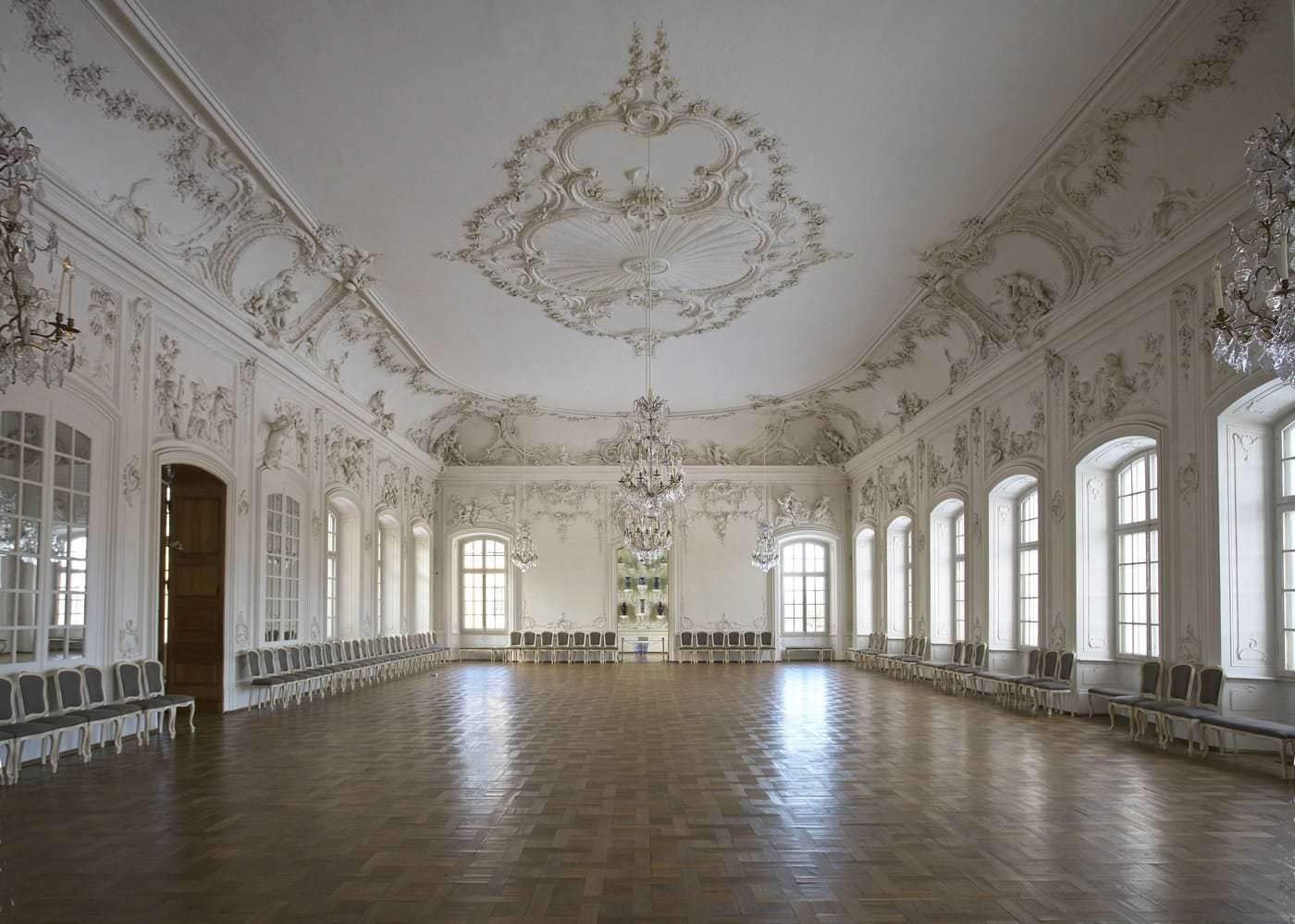
The former ballroom displays refined rococo style with delicate ornamentation and light-filled windows.
White Hall ballroom
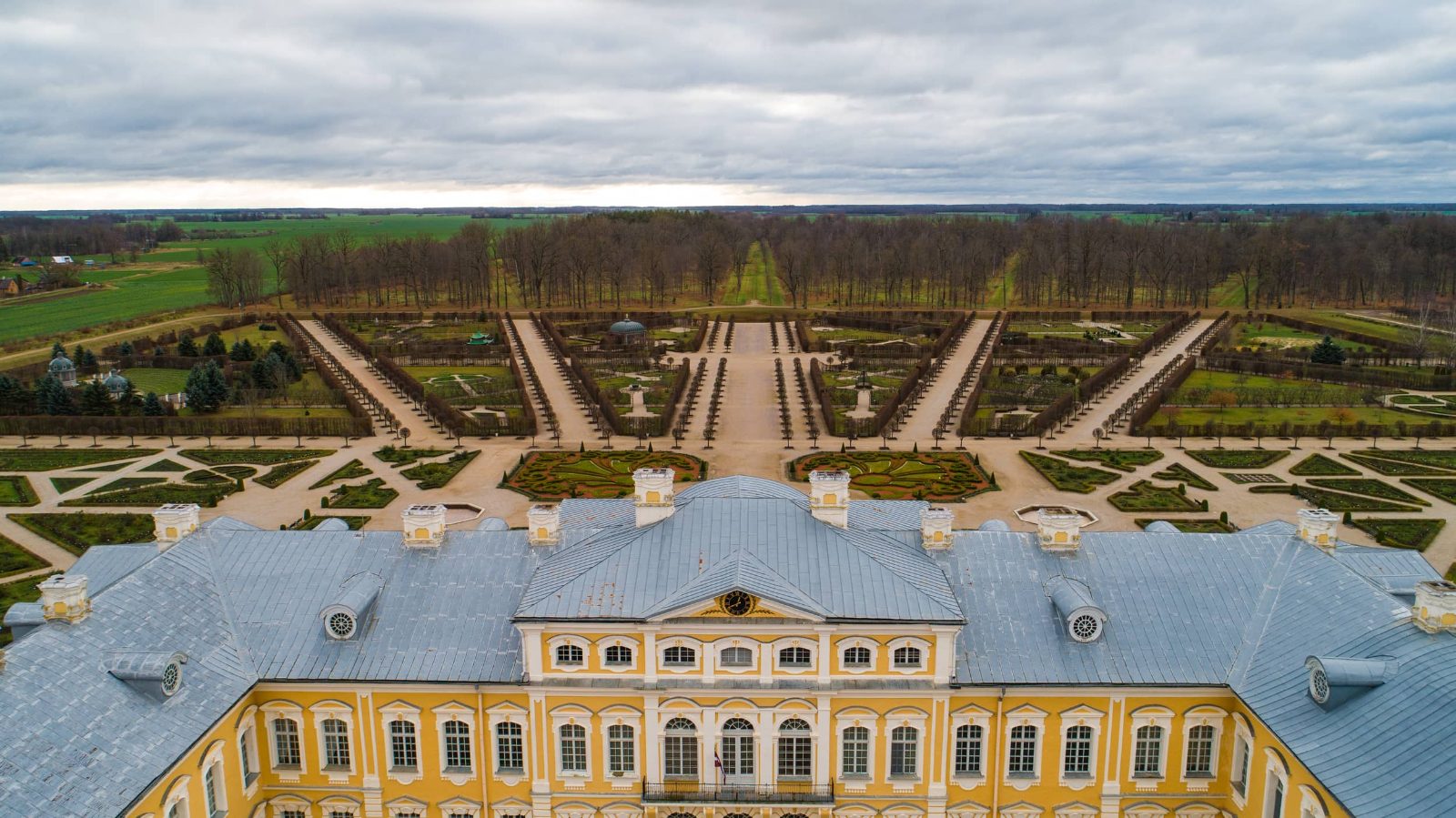
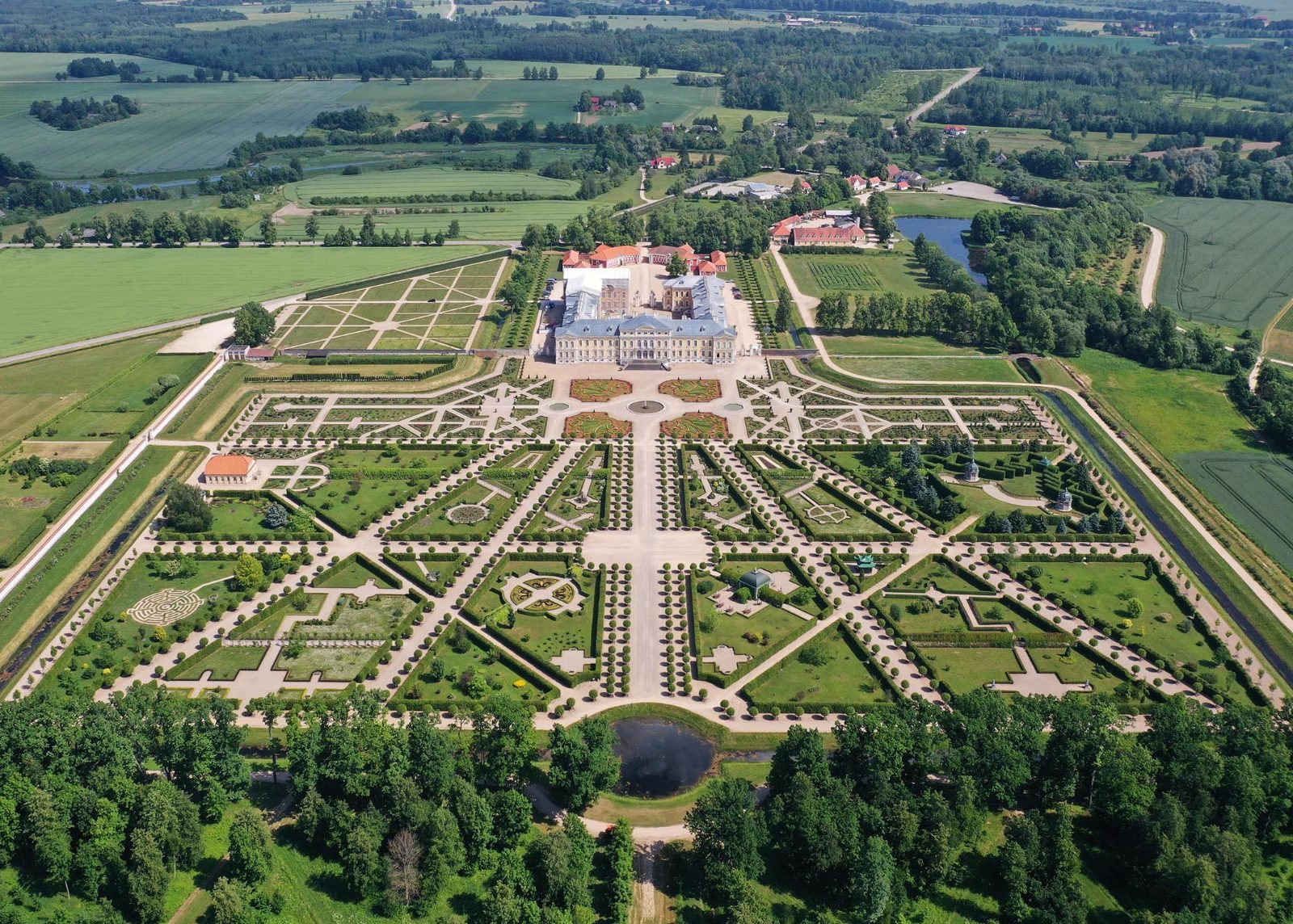
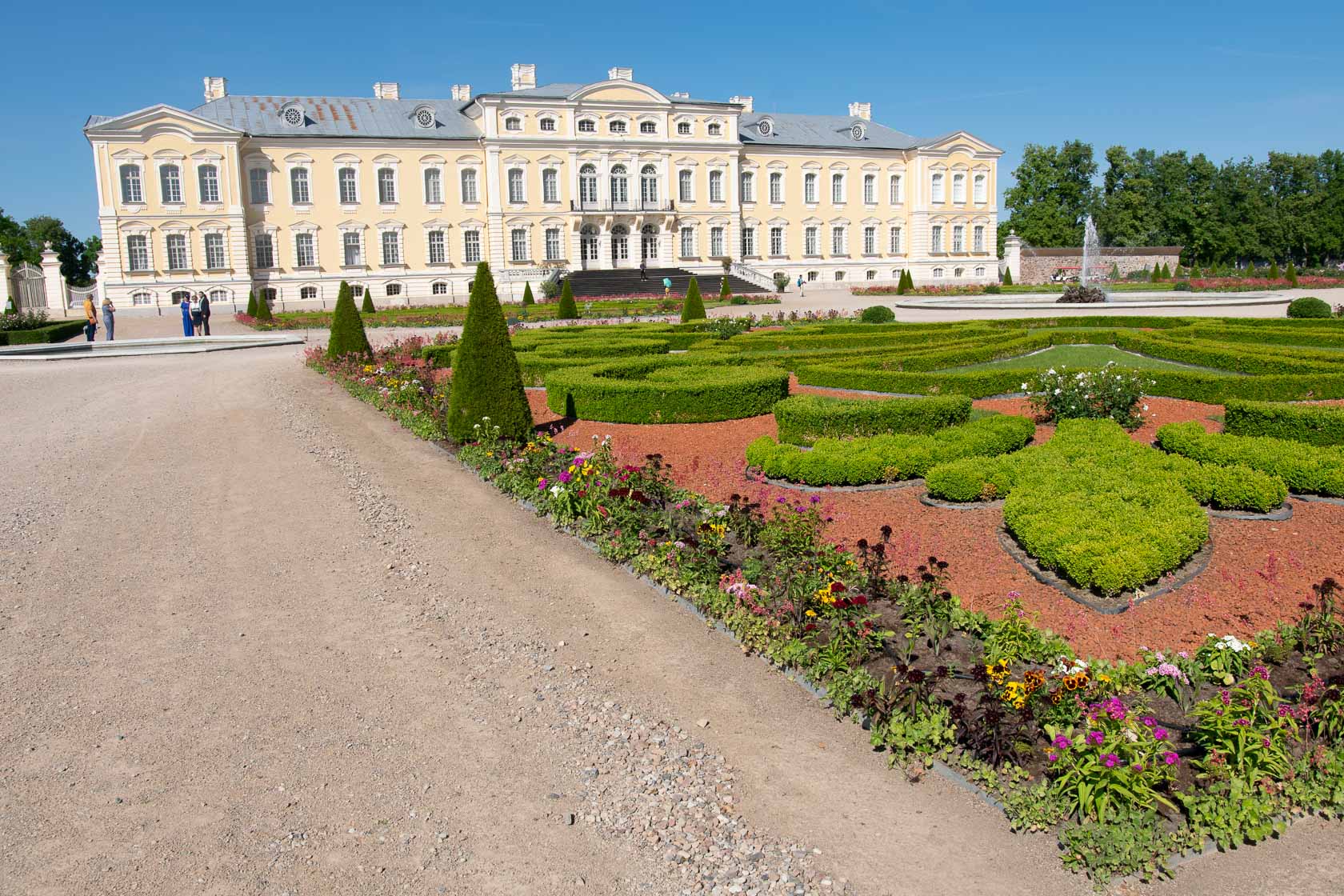
A sprawling park designed in the classical style with complex geometric parterres and fountain basins.
Rundale Palace French Garden
A long hall connecting the main sections of the palace, ideal for appreciating the scale of the architecture.
Great Gallery Rundale
An intimate look into the personal quarters of the Duke, complete with preserved period furniture.
Duke's Bedroom Rundale
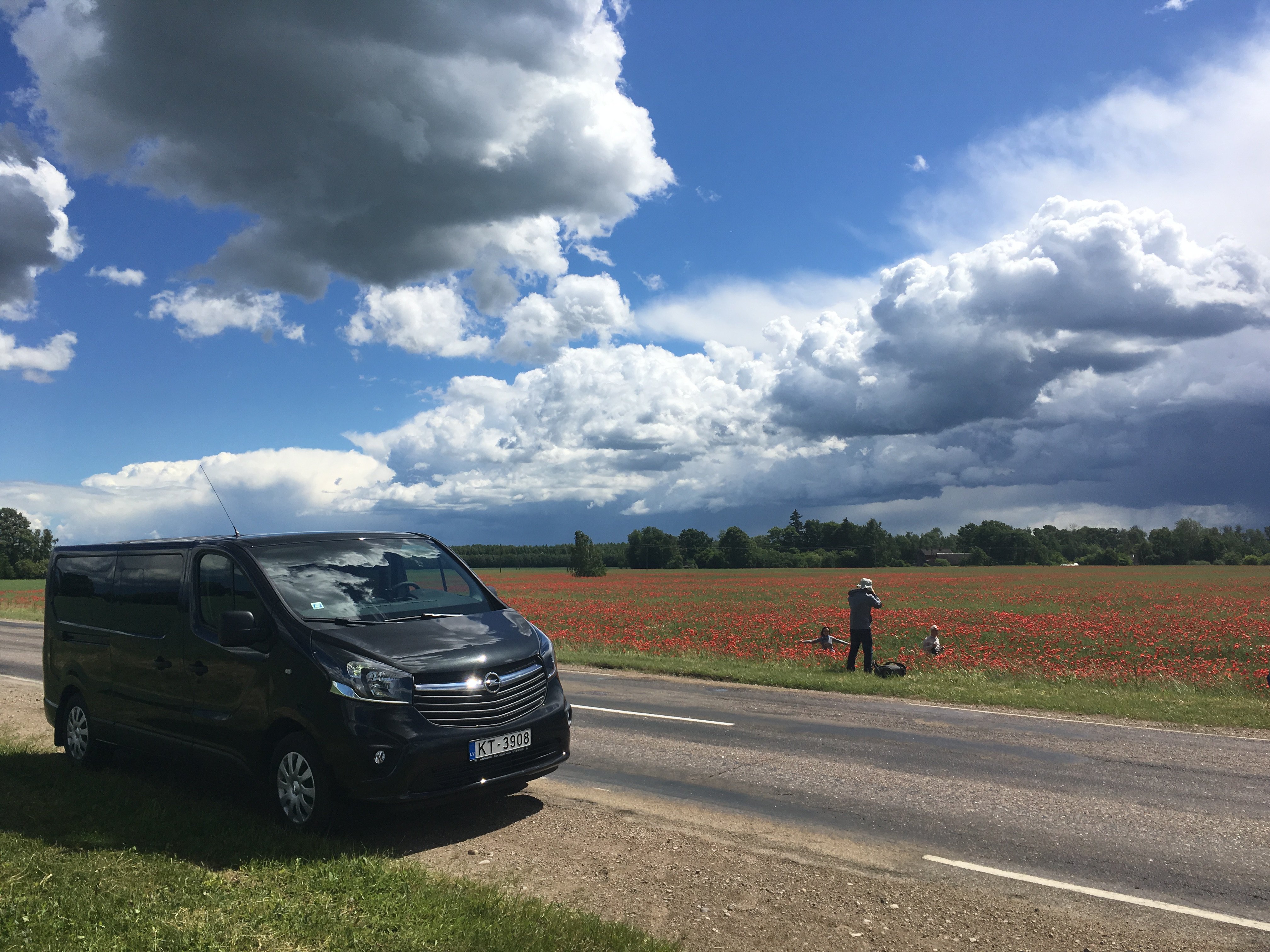
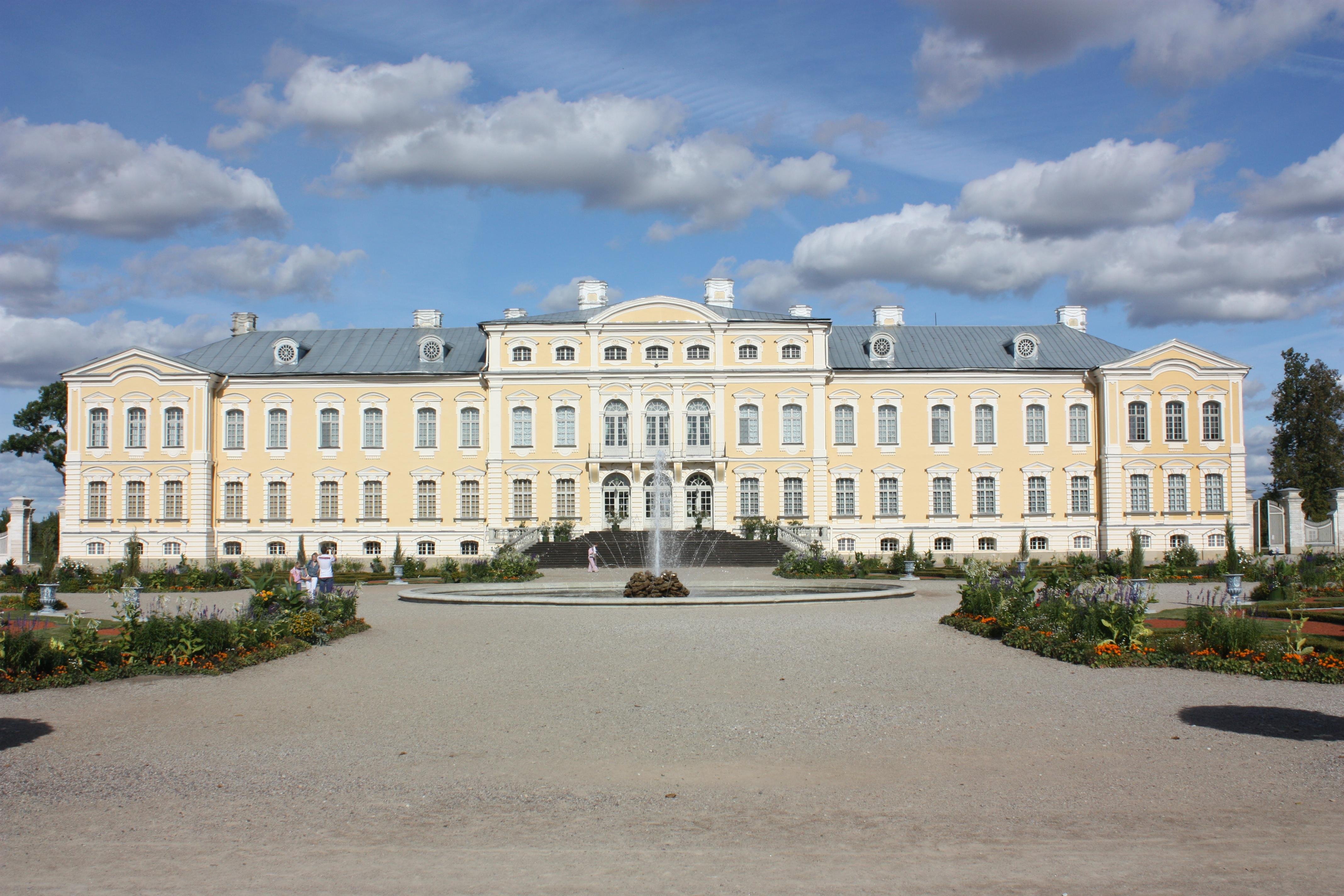
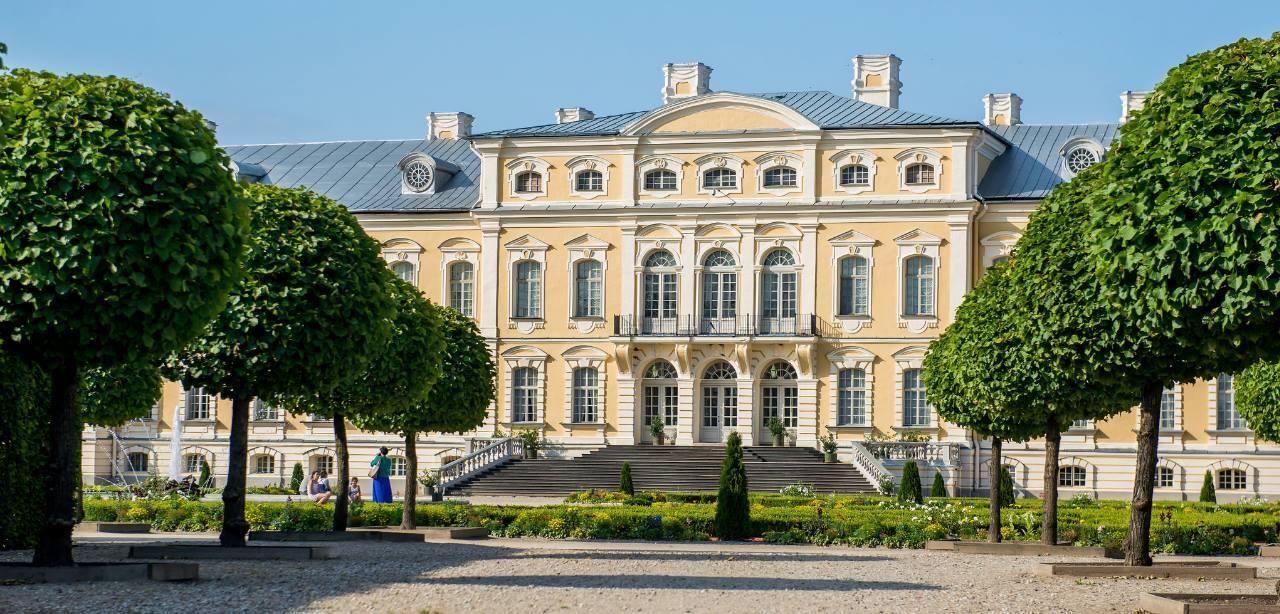
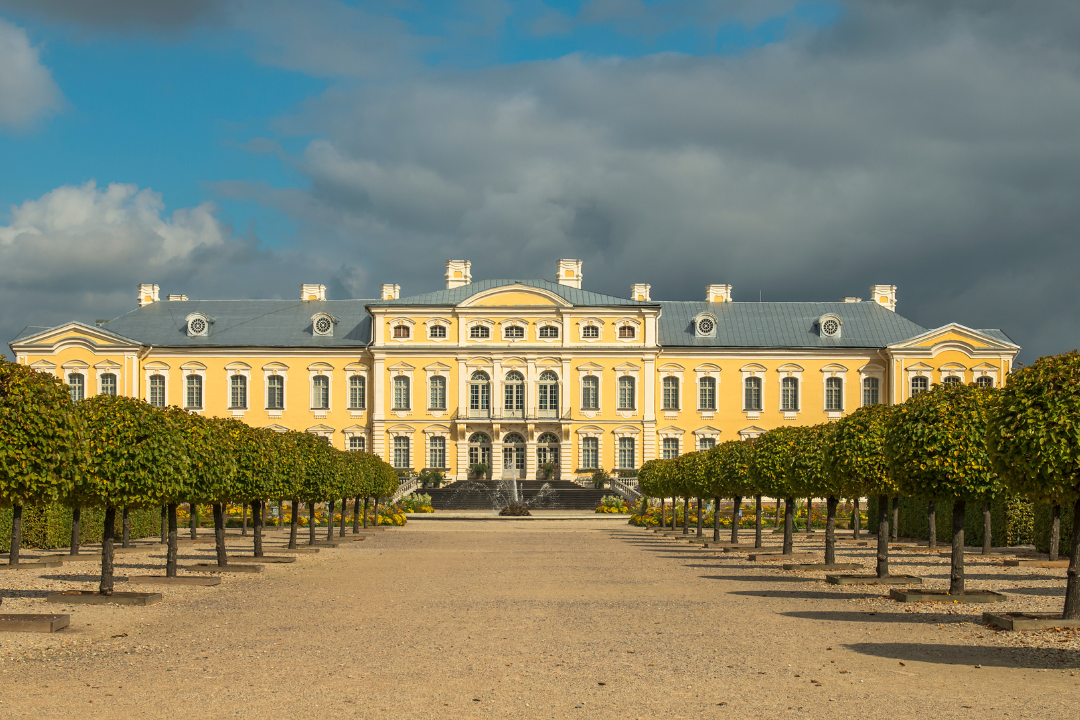
You depart Riga mid-morning, the van threading south through Zemgale's flat agricultural grid. Ninety minutes later, Rundāle's mustard-yellow facade rises above the birch line, its central dome visible three kilometers before the entrance gates.
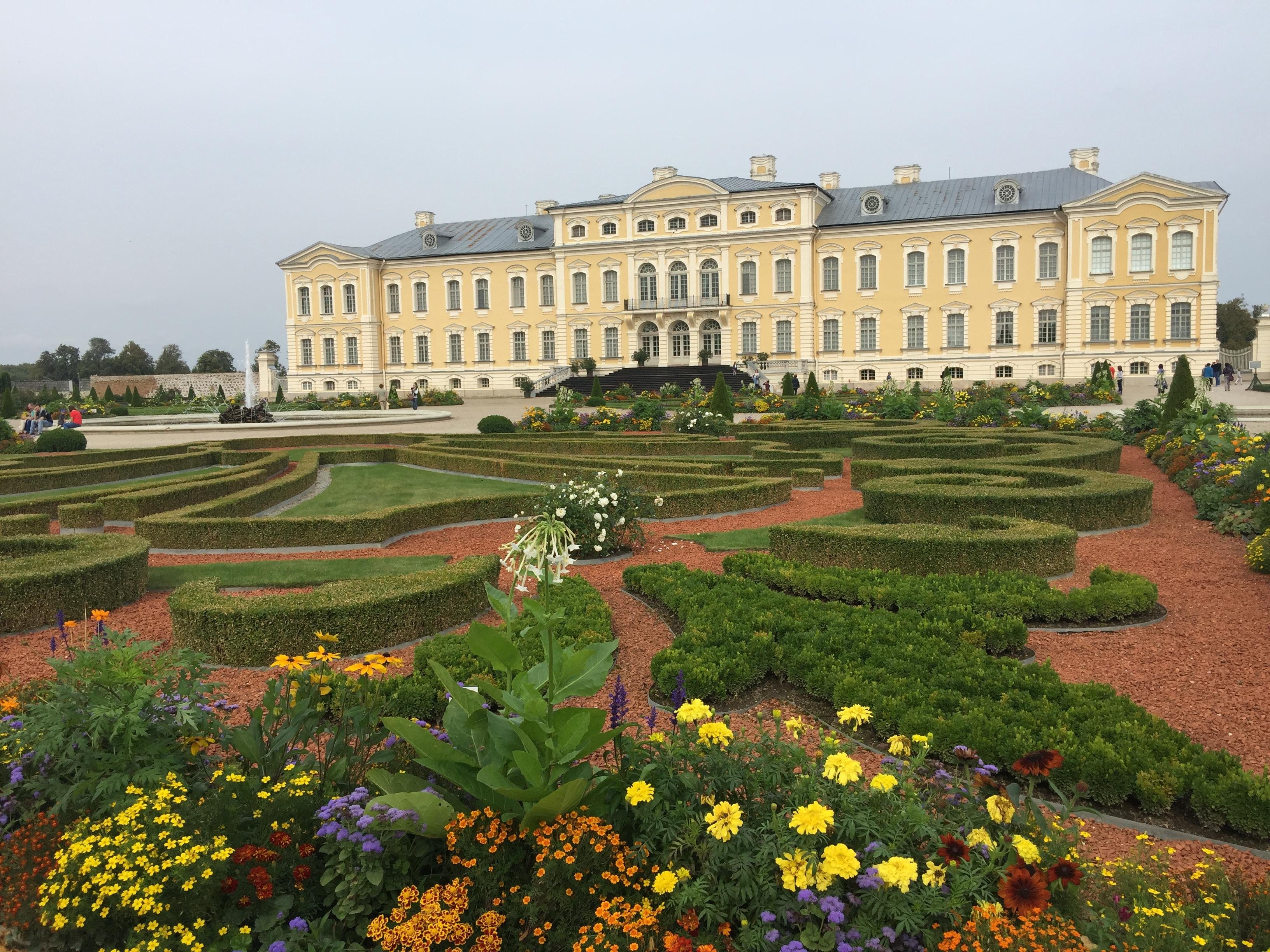
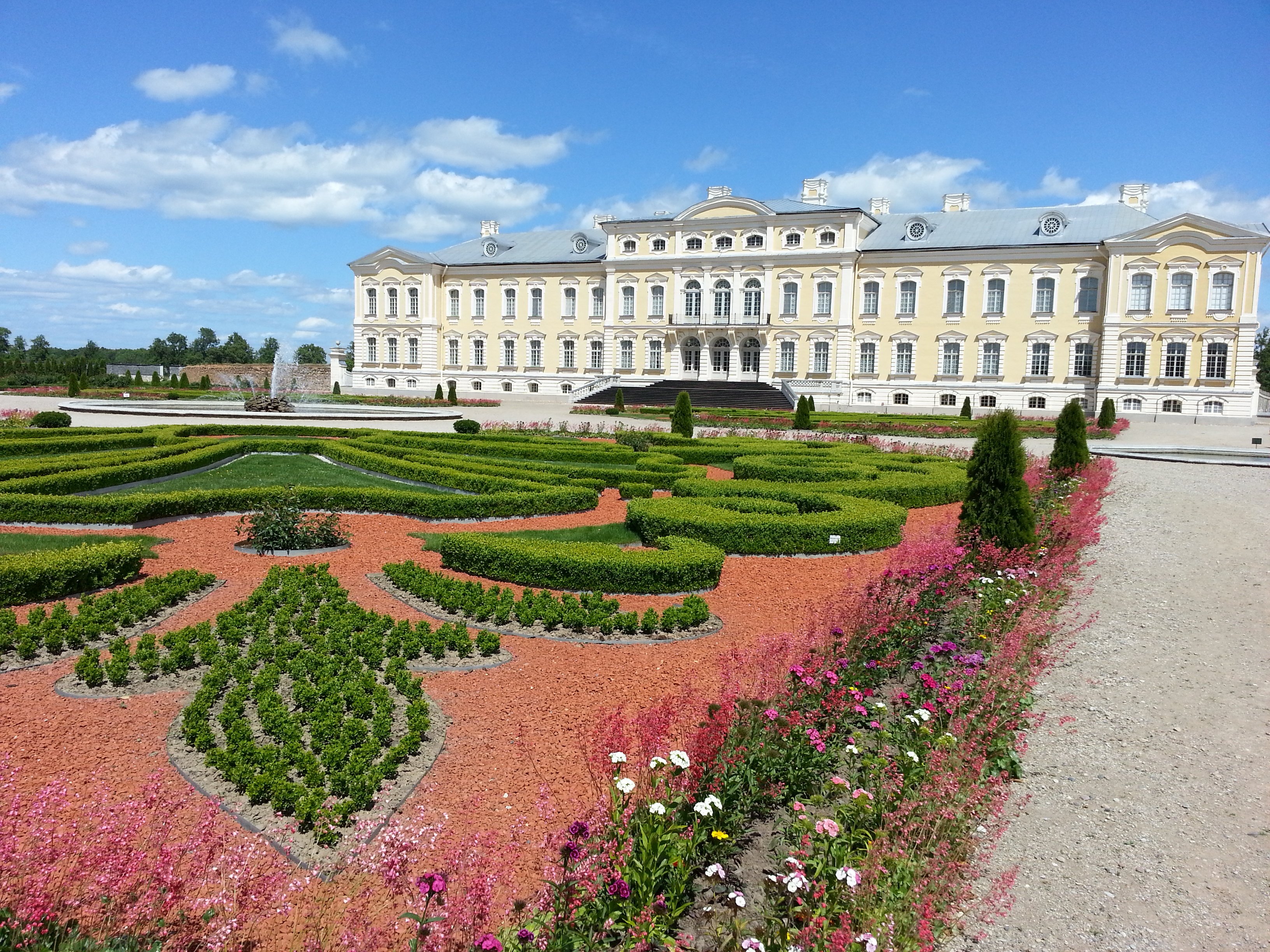
You walk the gravel courtyard, then climb the ceremonial staircase to the second-floor state rooms. The White Hall's stucco garlands and mirrored panels consume twenty minutes; the Porcelain Cabinet another ten. Outside, the French garden's central axis stretches toward a distant tree wall, rose beds flanking crushed-stone alleys.
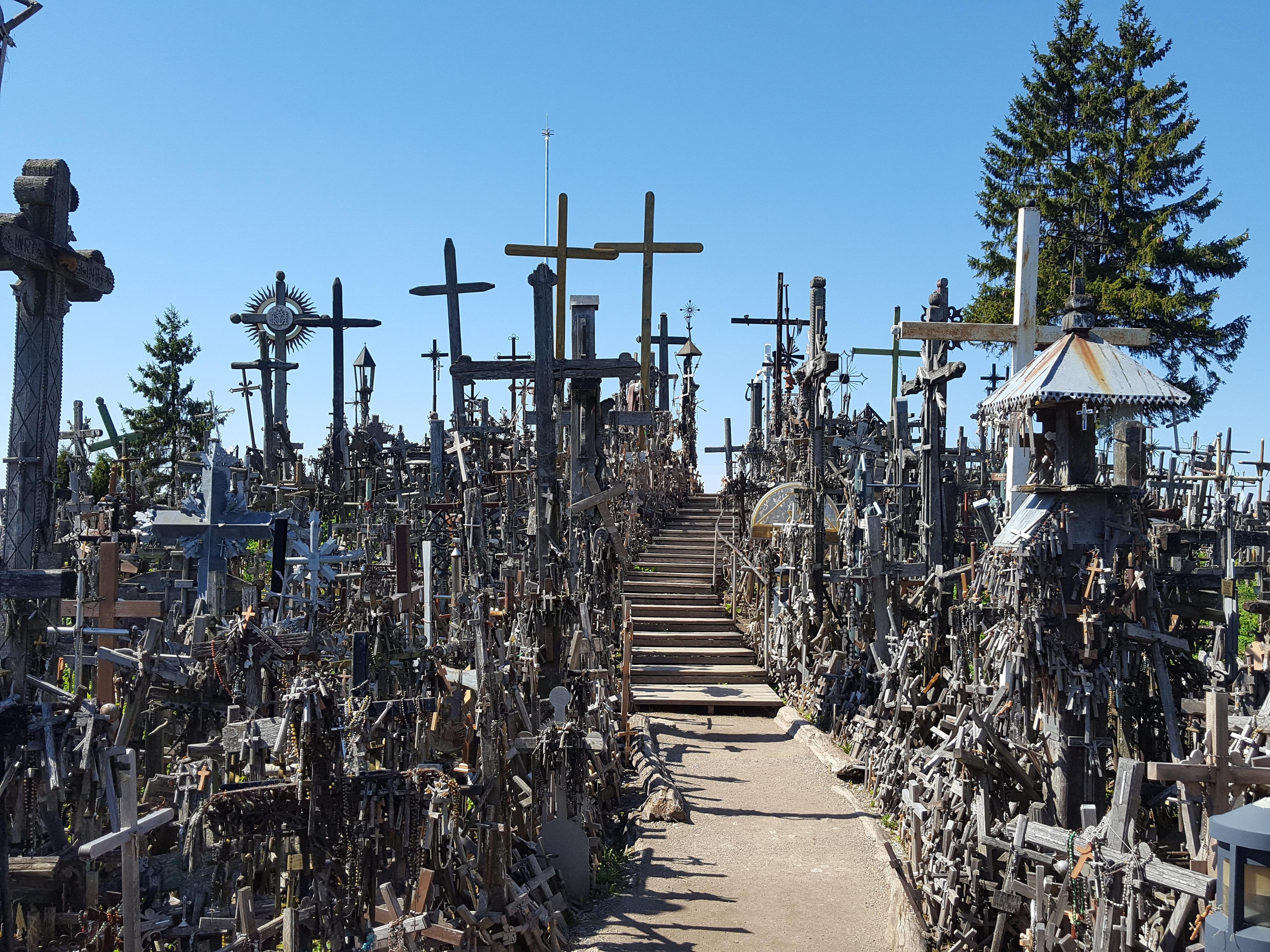
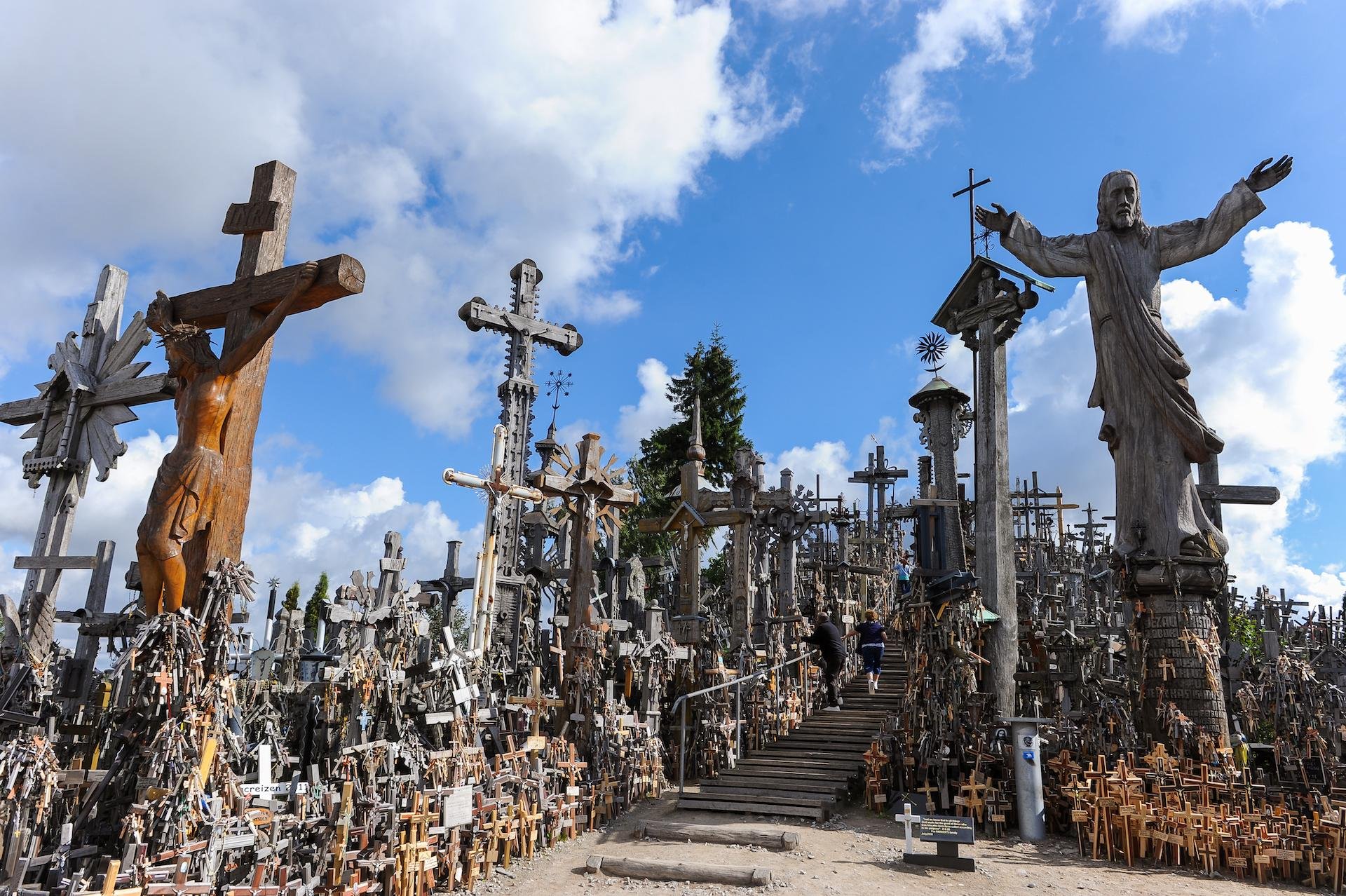
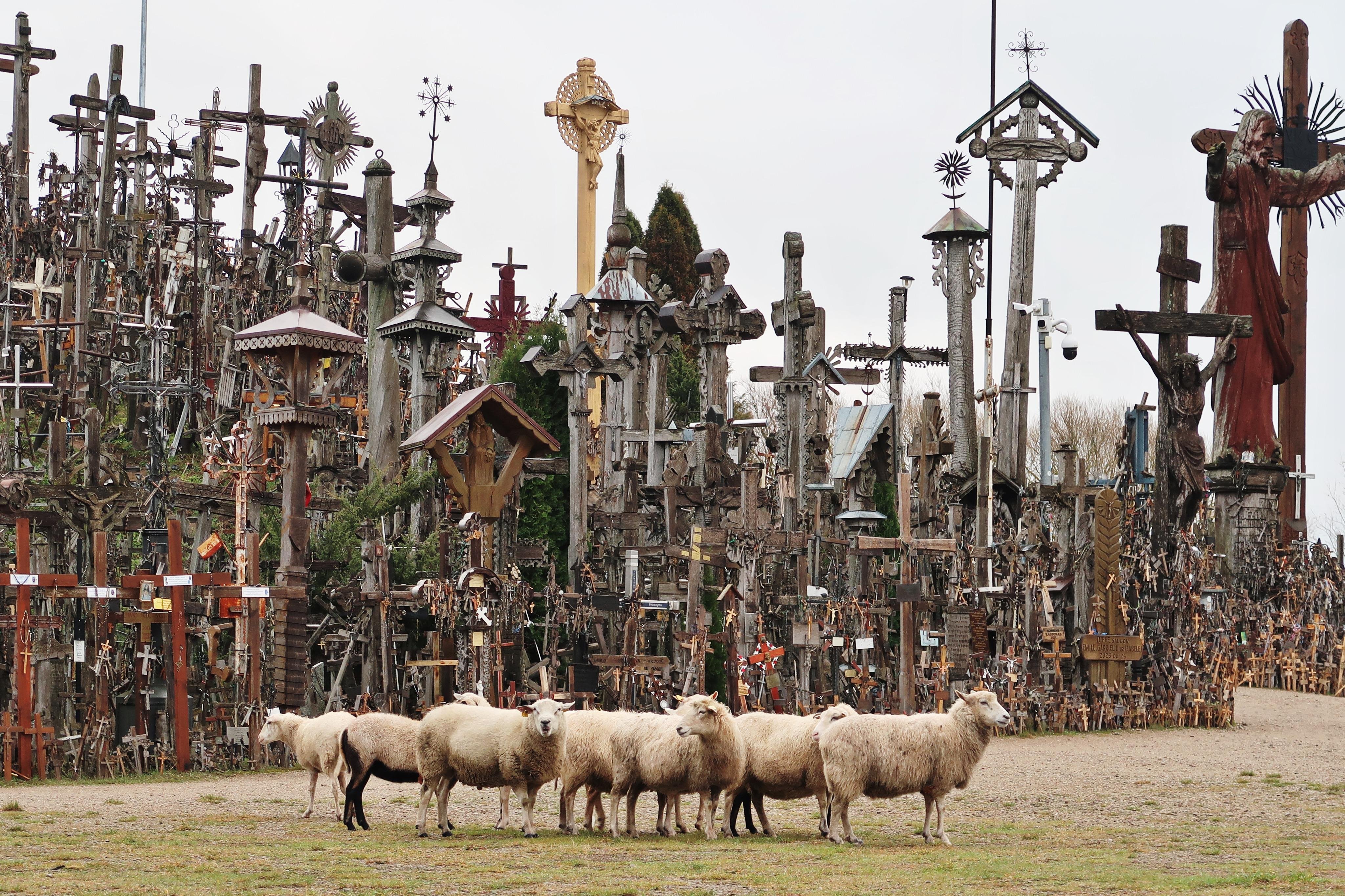
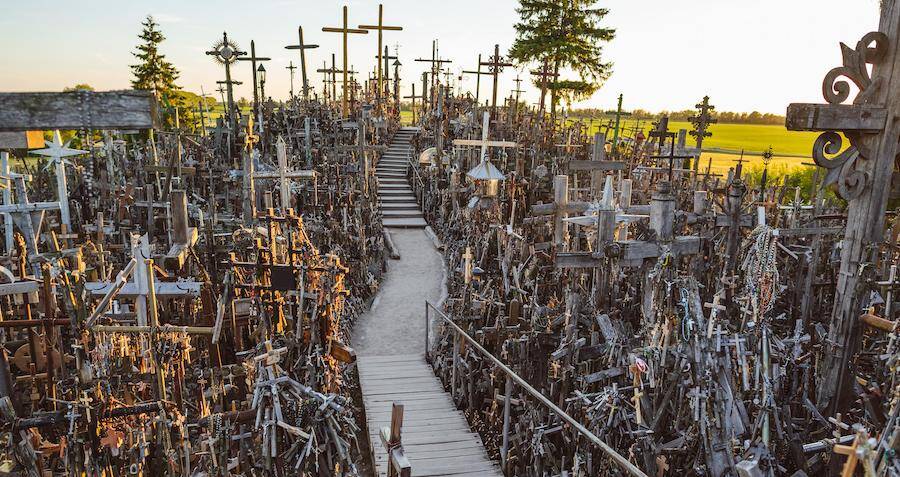
Back on the highway, Lithuania appears incrementally—road signs switch from Latvian diacritics to Polish-influenced spellings, then Šiauliai's industrial outskirts frame the turnoff to Jurgaičiai. The Hill of Crosses emerges as a low, densely packed silhouette. You leave the vehicle at a gravel lot and walk two hundred meters on wooden planking. Thousands of metal and wooden crosses lean at competing angles, many draped with rosaries or handwritten prayers. The air carries the faint scent of beeswax from votive candles.
The final segment descends into the Neris River basin. Kėrnave's five mounds rise in a staggered line above the valley floor, grass-covered and treeless. You climb the nearest mound—sixty meters of elevation, a three-minute ascent—and face west toward Vilnius, thirty kilometers distant. The capital's television tower punctuates the horizon. Forty minutes later, you enter Vilnius Old Town through the eastern gate, cobblestones replacing asphalt.
All the details about your upcoming adventure in one place
The 294 kilometers separating Riga and Vilnius trace one of the Baltic's densest corridors of heritage architecture, where a five-hour direct drive bypasses three UNESCO World Heritage sites and two of Northern Europe's most intact baroque estates.
Most travelers book the cheapest bus ticket and arrive knowing only highway asphalt. A Riga to Vilnius sightseeing transfer repositions the journey as the destination, inserting curated stops at Rundāle Palace, the Hill of Crosses, and Kėrnave without the logistical friction of renting a car or coordinating three separate admissions.
Rundāle Palace anchors the Latvian leg. Commissioned in 1736 by Ernst Johann von Biron, Duke of Courland, and designed by Francesco Bartolomeo Rastrelli—the same architect behind St. Petersburg's Winter Palace—the 138-room estate required two construction phases and twenty-eight years to complete. The Gold Hall stretches eighteen meters high, its ceiling frescoes executed by Italian masters Carlo Zucchi and Francesco Martini between 1765 and 1768. The French garden, restored in 2004 using Rastrelli's original 1736 plans, spans ten hectares and features 2,500 rose bushes arranged in geometric parterre beds. Standard admission costs twelve euros and grants access to the main exhibition halls and garden terraces. The palace opens daily at ten o'clock; arriving before eleven o'clock ensures uncrowded gallery access before tour groups occupy the White Hall and porcelain cabinets.
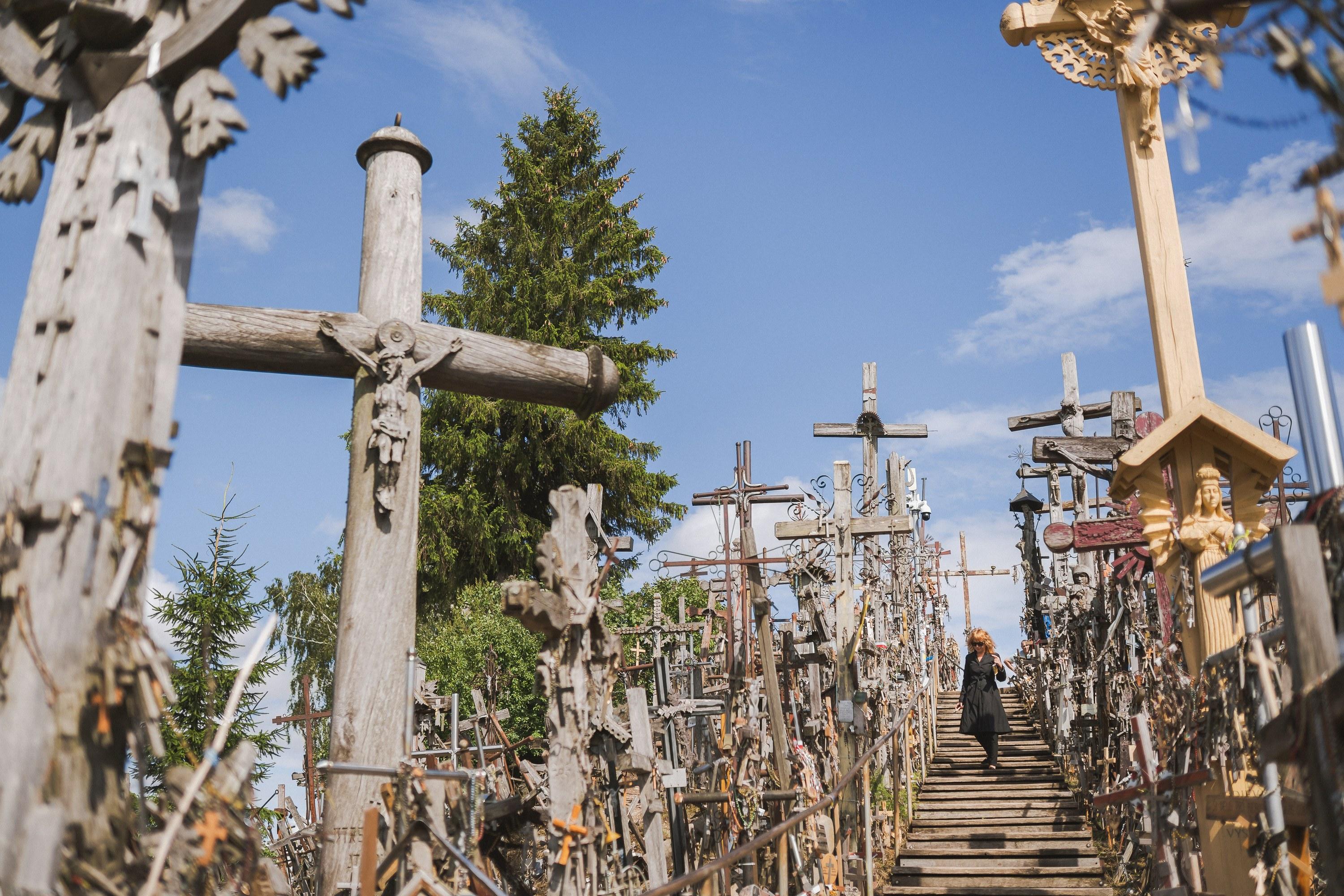
The Hill of Crosses, sixty kilometers north of Šiauliai in Lithuania, has accumulated an estimated two hundred thousand crosses since the 1831 November Uprising, when families planted wooden markers for rebels deported to Siberia. Soviet authorities bulldozed the site three times between 1961 and 1975; each clearance was followed by nocturnal replanting. Pope John Paul II visited in 1993, sanctifying the hill as a pilgrimage destination and installing a crucifix that now anchors the summit. The site requires no ticket and imposes no visiting hours—photographers favor late-afternoon light when shadows deepen the valley contours.
Kėrnave, a forty-minute detour south of the Vilnius approach, preserves Lithuania's pre-Christian capital across five fortified mounds dating to the thirteenth century. Archaeological digs between 1979 and 2003 uncovered stratified settlement layers spanning ten millennia, from Mesolithic campsites to Gothic trade posts. The Pajauta Valley below the mounds floods each spring, creating a natural moat that still mirrors medieval defensive logic. UNESCO inscribed the site in 2004, citing the mounds as exceptional evidence of urbanism in the Grand Duchy era.
Private transfers accommodate flexible timing and detour requests; shared services fix the itinerary but reduce per-person cost to a third of solo booking. Both formats eliminate the rental-car headache of cross-border drop-off fees, which Baltic agencies levy at eighty to one hundred twenty euros. Drivers provide historical context at each stop but are not licensed tour guides—detailed interpretation requires advance arrangement with a specialist guide or audio equipment.
Rastrelli's Gold Hall stretches eighteen meters high, its ceiling frescoes executed by Italian masters between 1765 and 1768.
Casual and comfortable clothing is recommended for your riga to vilnius sightseeing transfer. Wear sensible walking shoes to navigate the palace grounds and garden paths comfortably.
Large backpacks and bulky luggage must be stored in designated areas during the riga to vilnius sightseeing transfer. Keep valuable personal items with you at all times while exploring the museum premises.
Non-commercial photography is permitted in the French garden and exterior grounds during your riga to vilnius sightseeing transfer. Flash photography is prohibited inside the palace exhibition halls to preserve the historical interiors.
The expansive gardens are well-suited for families traveling on a riga to vilnius sightseeing transfer. Parents should supervise children closely near water features and historical architecture.
The Rundāle Palace museum offers ramp access to ground floor areas. Much of the French garden is accessible via gravel paths suitable for wheelchairs during your riga to vilnius sightseeing transfer.
The site features a seasonal cafe offering light refreshments for guests on a riga to vilnius sightseeing transfer. Consuming outside food or drink inside the palace galleries is not allowed.
Opening Hours
10:00–17:00
Address
Rundāle Palace Museum, Pilsrundāle, Rundāles pagasts, Bauskas novads, LV-3921, Latvia
Accessibility
Wheelchair accessible pathways in garden and palace
Arrival Window
10:00–16:00
Official Site
https://rundale.net
Car
The most direct way to reach the palace is via the A7 highway toward Bauska. Follow local signage from the main road to the museum parking lot.
Private Tour
Our riga to vilnius sightseeing transfer service provides door-to-door transport. This avoids the complexity of navigating border crossing public transit.
Full refunds are available for cancellations made within the operator's specified booking window. All tour tickets include the 12 EUR entrance fee for the Rundāle Palace main exhibition and French garden.
Recommended time
3 hours
Planning a riga to vilnius sightseeing transfer requires balancing travel with time for the Baroque architecture and formal gardens of this Latvian landmark. A 3-hour window allows visitors to secure riga to vilnius sightseeing transfer tickets and explore the opulent staterooms before the 17:00 closing time. Those booking a riga to vilnius sightseeing transfer tour may find lighter crowds by visiting early in the day, whereas afternoon hours often see increased traffic as guests conclude their journey through the Baltic countryside.
Crowd levels through the day
Weather · crowds · average price — dots go green to amber to red as each metric rises.
Late May and June feature the bloom of the French garden roses. Temperatures are mild and pleasant for walking between sites.
July and August offer the longest daylight hours for your riga to vilnius sightseeing transfer. Expect warmer weather and peak tourist activity.
September provides cooler, comfortable conditions and beautiful foliage around the palace. It is a quiet, ideal time for photography and historical exploration.
The palace interior remains a highlight even if the gardens are dormant. Visitors benefit from fewer crowds and short, atmospheric days.
Book your riga to vilnius sightseeing transfer tickets in advance to ensure availability. This guarantees your entry to the palace exhibition upon arrival.
Prioritize the French garden if time is limited, as it features complex geometric hedges and ornate fountains. Wear comfortable shoes as the park covers significant ground.
Rundāle Palace stands as the premier monument of Baroque and Rococo architecture in the Baltic region, constructed between 1736 and 1740 for Ernst Johann von Biron, Duke of Courland. The Italian architect Bartolomeo Rastrelli, who would later design the Winter Palace in Saint Petersburg, was commissioned to create a residence rivaling the grandest courts of Europe. The palace complex originally encompassed 138 rooms spread across two floors, with the central corps de logis flanked by symmetrical service wings. Construction halted abruptly in 1740 when Biron was arrested and exiled to Siberia following a palace coup in Russia. The unfinished shell stood abandoned for two decades. Work resumed in 1763 after Biron's return from exile, with Rastrelli returning to complete the interior decoration. The Gold Hall and White Hall, featuring elaborate stucco work and ceiling frescoes, were finished by 1768. The French-style formal gardens, designed by Rastrelli, stretched across 10 hectares with geometric parterres, water features, and bosquets. The palace passed through multiple hands after Biron's death in 1772. It served as a residence for the Counts of Shuvalov in the 19th century, then was converted into a school during Latvia's first independence period. German and Soviet occupations inflicted severe damage—interiors were stripped, and the building housed grain storage facilities. Systematic restoration began in 1972 under the direction of the Rundāle Palace Museum, established by the Latvian SSR. Over five decades, conservators rebuilt the parquet floors, restored the ceiling paintings, and reconstructed the formal gardens. Today, visitors on a riga to vilnius sightseeing transfer can explore 40 restored state rooms and walk the recreated 18th-century garden parterre.
Bartolomeo Rastrelli constructs the palace shell for Duke Ernst Johann von Biron.
Construction halts when Biron is exiled to Siberia following a Russian court coup.
Rastrelli returns to complete interior decoration after Biron's restoration to the duchy.
Courland is absorbed into the Russian Empire; the palace becomes imperial property.
Independent Latvia converts the palace into an elementary school and vocational training facility.
Rundāle Palace Museum is founded, beginning systematic restoration of interiors and gardens.
French garden reconstruction completed, restoring Rastrelli's original parterres and rose garden.
Position your camera at the doorway to capture the intricate stucco ceiling and gilded ornamentation without obstruction. This grand interior serves as a focal point during your riga to Vilnius sightseeing transfer.
Stand near the center of the room to frame the symmetrical neoclassical details and expansive mirrors. The soft light reflects off the walls, highlighting the craftsmanship of the Baltic baroque architecture.
Align your lens along the main pathway leading from the palace rear facade toward the forest border to capture the geometric hedge patterns. This vista provides a symmetrical composition for landscape photography.
Walk to the elevated terrace overlook for an aerial perspective of the intricate floral arrangements and gravel walkways. This vantage point helps travelers capture the scale of the gardens often included in riga to vilnius sightseeing transfer tours.
Planning a riga to vilnius sightseeing transfer with children is manageable when you balance the palace's grand baroque interiors with outdoor time in the French garden. The museum provides helpful support for families, including baby carriers available for loan.
Entrance to the exhibition with baby carriages is prohibited due to the narrow space, but you can borrow a baby sling or carrier free of charge by calling +371 63962197 or +371 26499151 in advance.
Childcare facilities and baby-changing tables are available in the toilets located in the basement and in the park.
This landmark is best suited for school-aged children who can appreciate the historic parade halls and the expansive garden landscape.
Consider booking a riga to vilnius sightseeing transfer tour that allows for at least 1.5 hours to explore the museum and grounds comfortably.
The museum remains open daily from 10:00–17:00, offering a full indoor experience through the duke’s suites and art exhibitions when the weather is poor.
Visitors on a riga to vilnius sightseeing transfer often dine at the palace grounds to maximize time exploring the baroque architecture and formal gardens. While options are limited on-site, nearby Pilsrundāle provides accessible local cuisine to sustain your riga to vilnius sightseeing transfer tours.
Located within the palace complex, this spot is ideal for a quick lunch of soup or sandwiches during your riga to vilnius sightseeing transfer tour. It gets busy during peak midday hours, so arrive within the best arrival window of 10:00–16:00 to secure a seat.
A casual option situated just outside the palace gates, offering hearty traditional Latvian dishes. It is a convenient stop for travelers using riga to vilnius sightseeing transfer tickets who prefer a relaxed environment before continuing their journey.
Everything you need to know for your journey
The museum is open daily from 10:00–17:00. Please plan your visit to Rundāle Palace Museum accordingly.
Yes, all riga to vilnius sightseeing transfer tickets include the standard entry to the museum and gardens.
The entrance fee is 12 EUR for an adult ticket for the Rundāle Palace main exhibition and French garden.
Yes, the Rundāle Palace Museum provides accessibility features including paths for easier movement.
The best arrival window is 10:00–16:00, which allows sufficient time to explore the site before closing.
Non-commercial photography is allowed in the gardens, but flash is restricted inside the Rundāle Palace Museum galleries.
No, pets are generally not permitted inside the Rundāle Palace Museum or the garden grounds.
We recommend allocating at least three hours to fully experience the palace and the French garden during your tour.
Yes, a cafe is available for guests on an riga to vilnius sightseeing transfer to purchase refreshments.
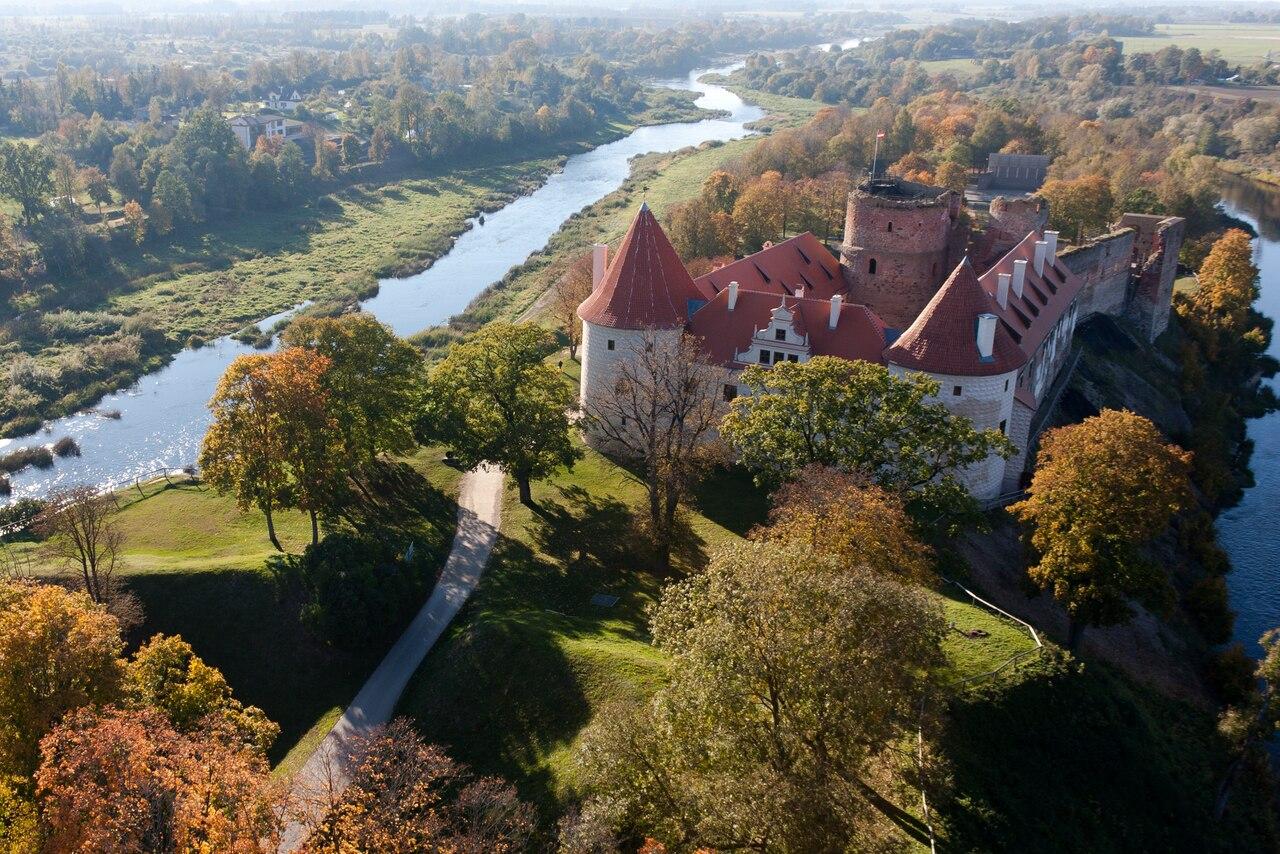
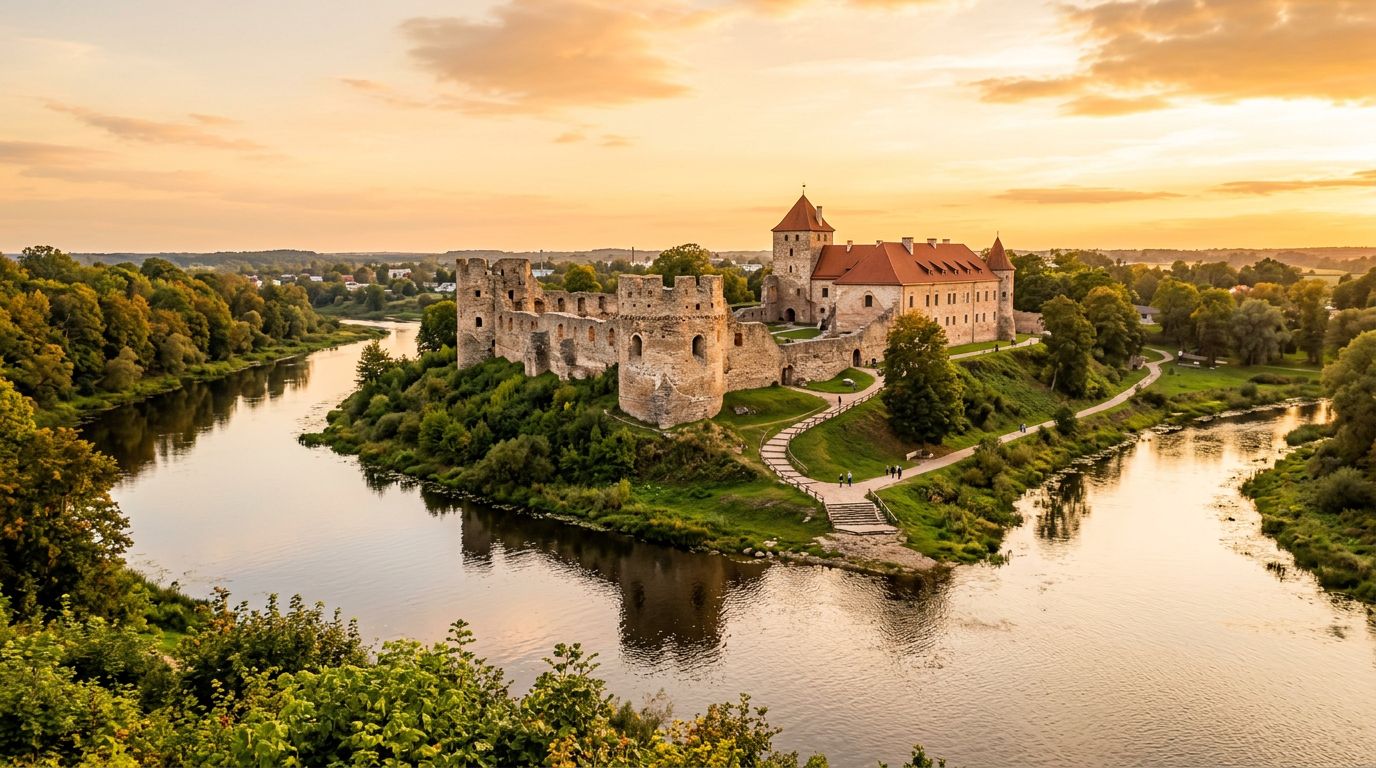
Ruins of a 15th-century fortress located at the confluence of two rivers.
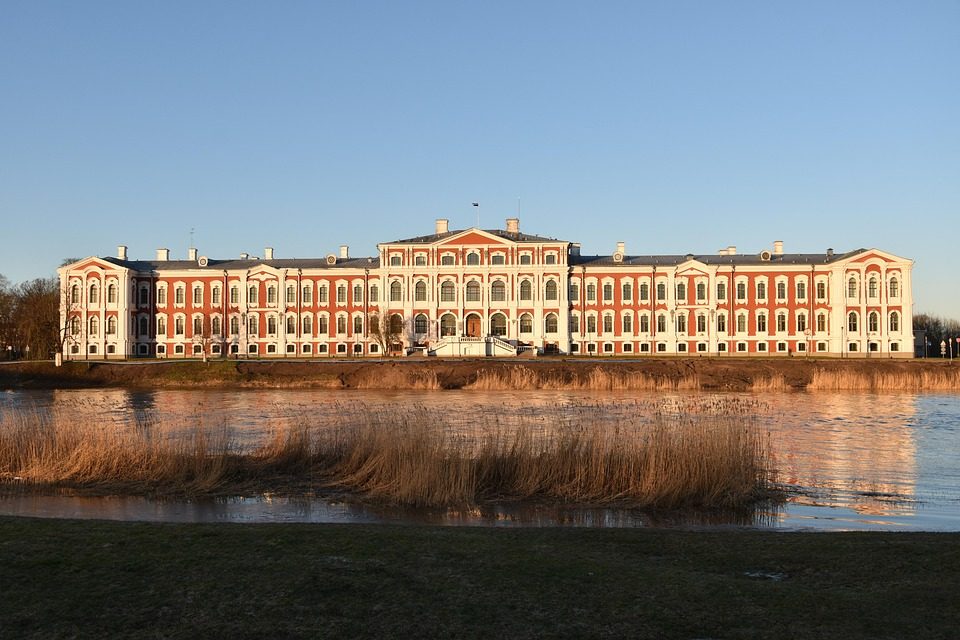
Former residence of the Dukes of Courland and Semigallia located nearby.
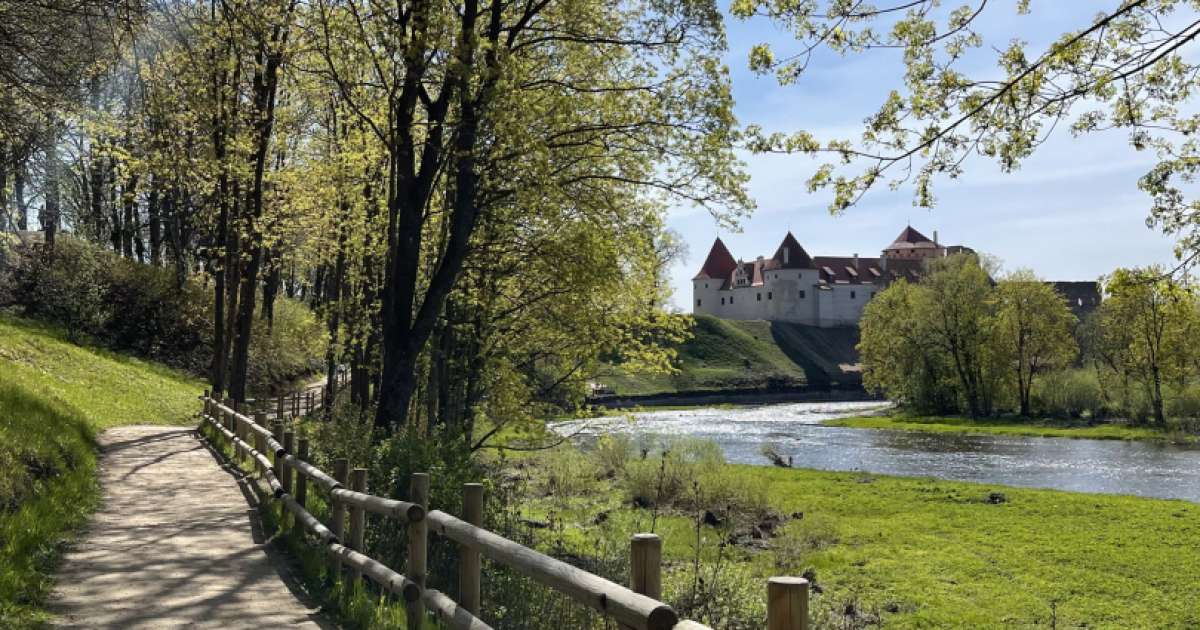
Local guesthouses offer authentic rural Latvian hospitality.
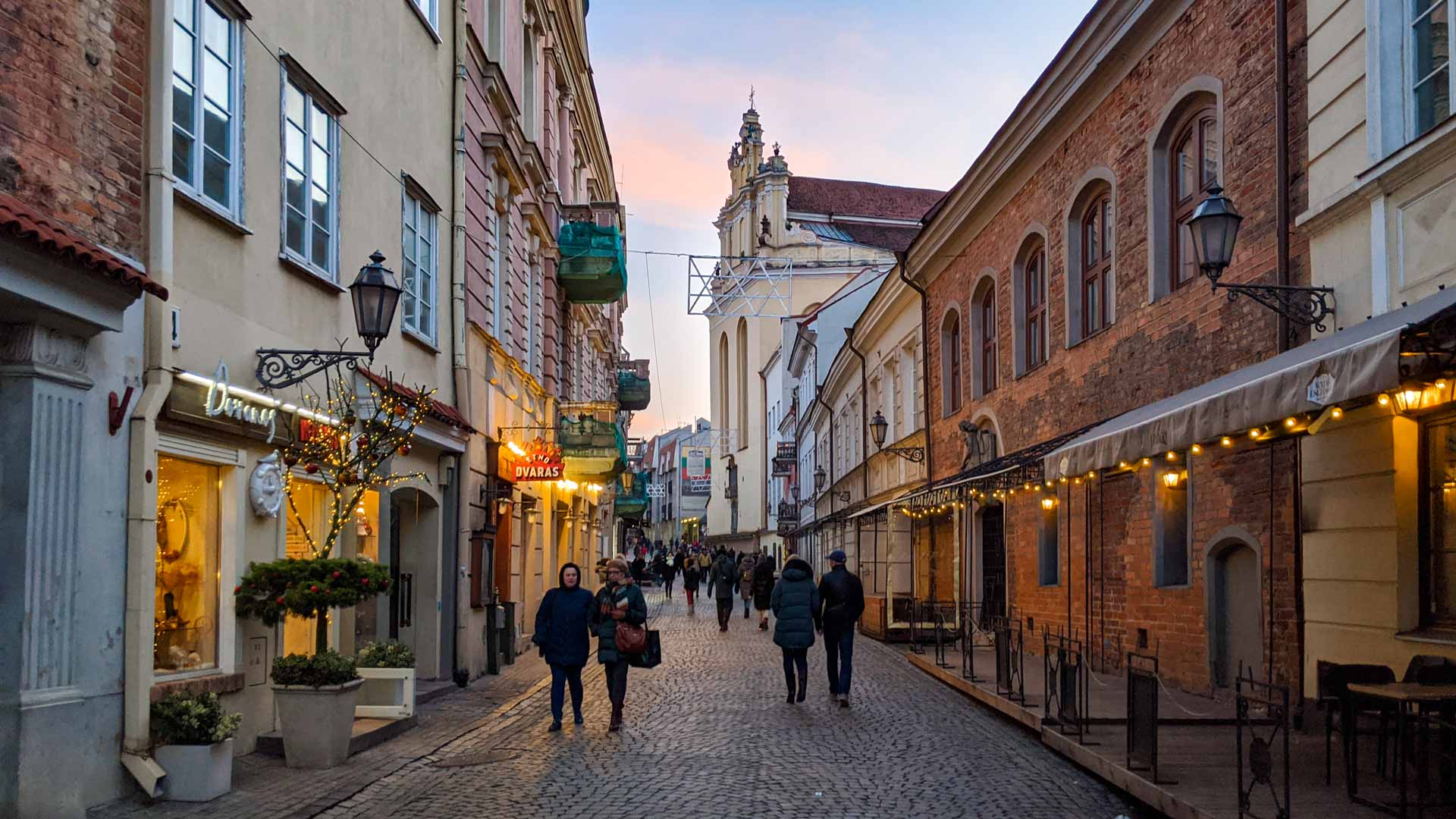
Boutique hotels located within walking distance of the Old Town.
Join thousands of happy travelers who have discovered this incredible experience
Book Your Experience Now